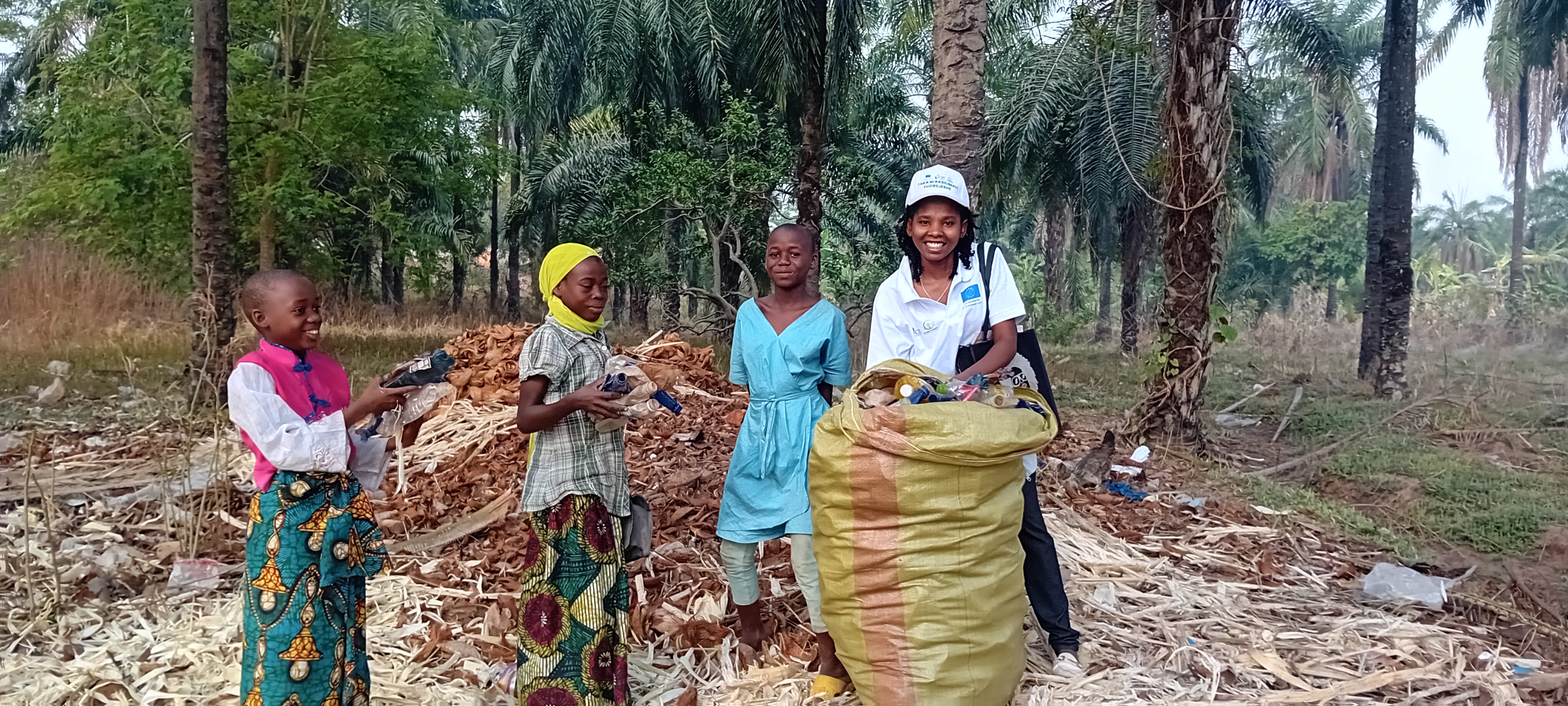
Waste Management Project in 5 Ward that one Simbo Ward
Implemented by The Green Shadow
Supported by Catholic Relief Services
1. Introduction
The Waste Management Project implemented by The Green Shadow in Simbo Ward aims to address environmental and public health challenges caused by poor waste disposal practices within the community. The project is supported by Catholic Relief Services (CRS) under the VOICE initiative, which focuses on empowering communities through sustainable environmental and social development programs.
The project was designed to increase community awareness on proper waste management, promote environmental conservation, create economic opportunities for youth and women, and improve sanitation and public health conditions in Simbo Ward.
2. Background of the Project
Simbo Ward faces growing environmental challenges associated with unmanaged solid waste, including:
• Poor waste disposal systems
• Environmental pollution
• Increased health risks
• Limited public awareness about recycling and waste separation
• Unemployment among youth and women
Improper disposal of plastic waste, household waste, and organic materials has negatively affected sanitation, water sources, and the overall cleanliness of the community. In response to these challenges, The Green Shadow introduced the Waste Management Project to promote community-led environmental solutions and sustainable waste management practices.
3. Project Goal
The overall goal of the project is:
To improve environmental sanitation and promote sustainable waste management practices while creating social and economic opportunities for the community of Simbo Ward.
4. Specific Objectives
The project aims to:
1. Increase awareness and knowledge about proper waste management practices.
2. Promote waste segregation, recycling, and environmental conservation.
3. Reduce environmental pollution and health risks associated with poor waste disposal.
4. Empower youth and women through waste management-related income-generating activities.
5. Strengthen community participation in environmental protection initiatives.
5. Project Activities Implemented
5.1 Community Awareness and Education
The project conducted environmental education sessions and awareness campaigns within the community to educate residents on:
• Proper waste disposal methods
• Waste segregation at household level
• Recycling and reuse of materials
• Environmental cleanliness and hygiene
• Health risks associated with poor waste management
Community meetings, school outreach programs, and awareness campaigns were organized to encourage behavioral change and community participation.
5.2 Community Clean-Up Campaigns
Regular community clean-up activities were organized in collaboration with:
• Local leaders
• Youth groups
• Women’s groups
• Community volunteers
The campaigns focused on:
• Cleaning public spaces
• Removing unmanaged waste
• Improving sanitation around homes, schools, and markets
• Encouraging collective responsibility for environmental protection
5.3 Waste Segregation and Recycling Initiatives
The project introduced waste segregation practices by encouraging households and institutions to separate:
• Organic waste
• Plastic waste
• Paper waste
• Metal and recyclable materials
Community members were trained on recycling opportunities and the reuse of waste materials for income generation and environmental sustainability.
5.4 Youth and Women Empowerment
The project engaged youth and women groups in waste management activities as a source of livelihood and entrepreneurship. Beneficiaries were trained on:
• Recycling and reuse techniques
• Environmental entrepreneurship
• Waste collection and management services
• Production of reusable materials and crafts from recycled waste
This helped create employment opportunities while promoting environmental conservation.
6. Achievements of the Project
The project has contributed significantly to improving environmental awareness and sanitation conditions within Simbo Ward. Key achievements include:
• Increased community awareness on proper waste management practices
• Improved cleanliness in public areas and residential environments
• Enhanced participation of youth and women in environmental activities
• Promotion of recycling and reuse culture within the community
• Reduction of unmanaged waste in selected areas
• Creation of small-scale income-generating opportunities through recycling activities
• Strengthened collaboration between community members and local leaders on environmental issues
7. Opportunities Available in Waste Management in Simbo Ward
Waste management presents several economic, environmental, and social opportunities within Simbo Ward. These opportunities can contribute to employment creation, income generation, and sustainable community development.
7.1 Recycling Business Opportunities
There is increasing potential for collecting and recycling:
• Plastic materials
• Paper waste
• Glass bottles
• Scrap metal
Recyclable materials can be sold to recycling companies or transformed into reusable products, creating income for youth and women groups.
7.2 Organic Fertilizer Production
Organic waste from households and markets can be converted into compost manure for agricultural use. This opportunity can:
• Support local farming activities
• Improve soil fertility
• Reduce waste accumulation
• Create small business opportunities in organic fertilizer production
7.3 Employment Creation
Waste collection, sorting, transportation, and recycling services can provide employment opportunities for:
• Youth groups
• Women entrepreneurs
• Community-based organizations
The sector has potential to support sustainable livelihoods while improving environmental sanitation.
7.4 Environmental Entrepreneurship
Community members can establish small enterprises related to:
• Recycling products
• Waste collection services
• Environmental cleaning services
• Production of reusable items from waste materials
These businesses can contribute to local economic growth and environmental sustainability.
7.5 Community Health Improvement
Improved waste management contributes directly to:
• Reduced spread of diseases
• Cleaner living environments
• Improved hygiene and sanitation
• Better public health outcomes
This creates long-term social and economic benefits for the community.
8. Challenges Encountered
Despite the project achievements, several challenges were identified:
• Limited waste collection infrastructure
• Inadequate recycling facilities
• Low financial resources for waste management activities
• Limited community awareness in some areas
• Lack of sufficient transportation and protective equipment
Addressing these challenges will require continued collaboration among stakeholders, local authorities, and development partners.
9. Recommendations
To strengthen waste management efforts in Simbo Ward, the following recommendations are proposed:
1. Increase investment in waste collection and recycling infrastructure.
2. Expand environmental education and awareness programs.
3. Strengthen partnerships with local government and private sector actors.
4. Support youth and women groups with entrepreneurship training and startup support.
5. Promote community participation and ownership of environmental activities.
6. Establish sustainable waste collection and recycling systems.
10. Conclusion
The Waste Management Project implemented by The Green Shadow with support from Catholic Relief Services has made an important contribution to improving environmental sanitation, public health awareness, and community participation in Simbo Ward.
The project has demonstrated that proper waste management can not only improve environmental conditions but also create economic opportunities for youth and women. Continued support and collaboration will help expand these achievements and promote sustainable environmental development within the community.