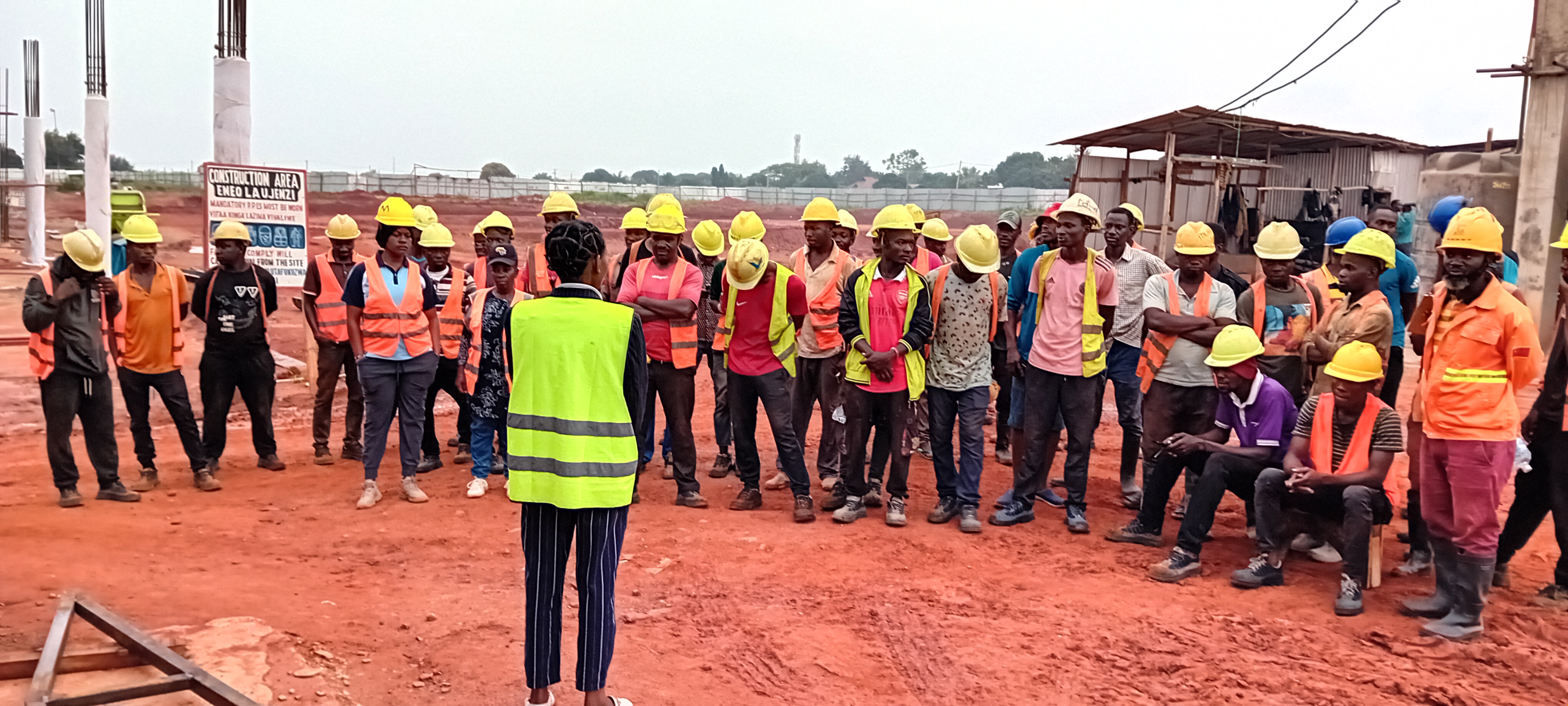
During the session, the field officer explained the common modes of HIV transmission, including unprotected sexual intercourse, sharing sharp objects such as needles or razors, and transmission from mother to child during pregnancy, childbirth, or breastfeeding. Workers were also educated on misconceptions and myths surrounding HIV in order to reduce stigma and discrimination within the community and workplaces.
The training emphasized the importance of preventive measures such as consistent and correct condom use, regular HIV testing and counseling, maintaining faithful relationships, avoiding the sharing of sharp instruments, and seeking medical support when necessary. Participants were encouraged to visit nearby health facilities for testing, treatment, and additional reproductive health services.
In addition to HIV prevention, the field officer promoted general safe health practices, including personal hygiene, workplace safety, mental wellbeing, and healthy lifestyle choices. The session created an open environment where workers were able to ask questions, share experiences, and receive professional guidance without fear or judgment.
Through this community health education initiative, construction workers gained increased awareness, knowledge, and confidence to make informed decisions about their health and wellbeing. The activity also contributed to reducing HIV-related stigma while encouraging responsible behavior and healthier communities.