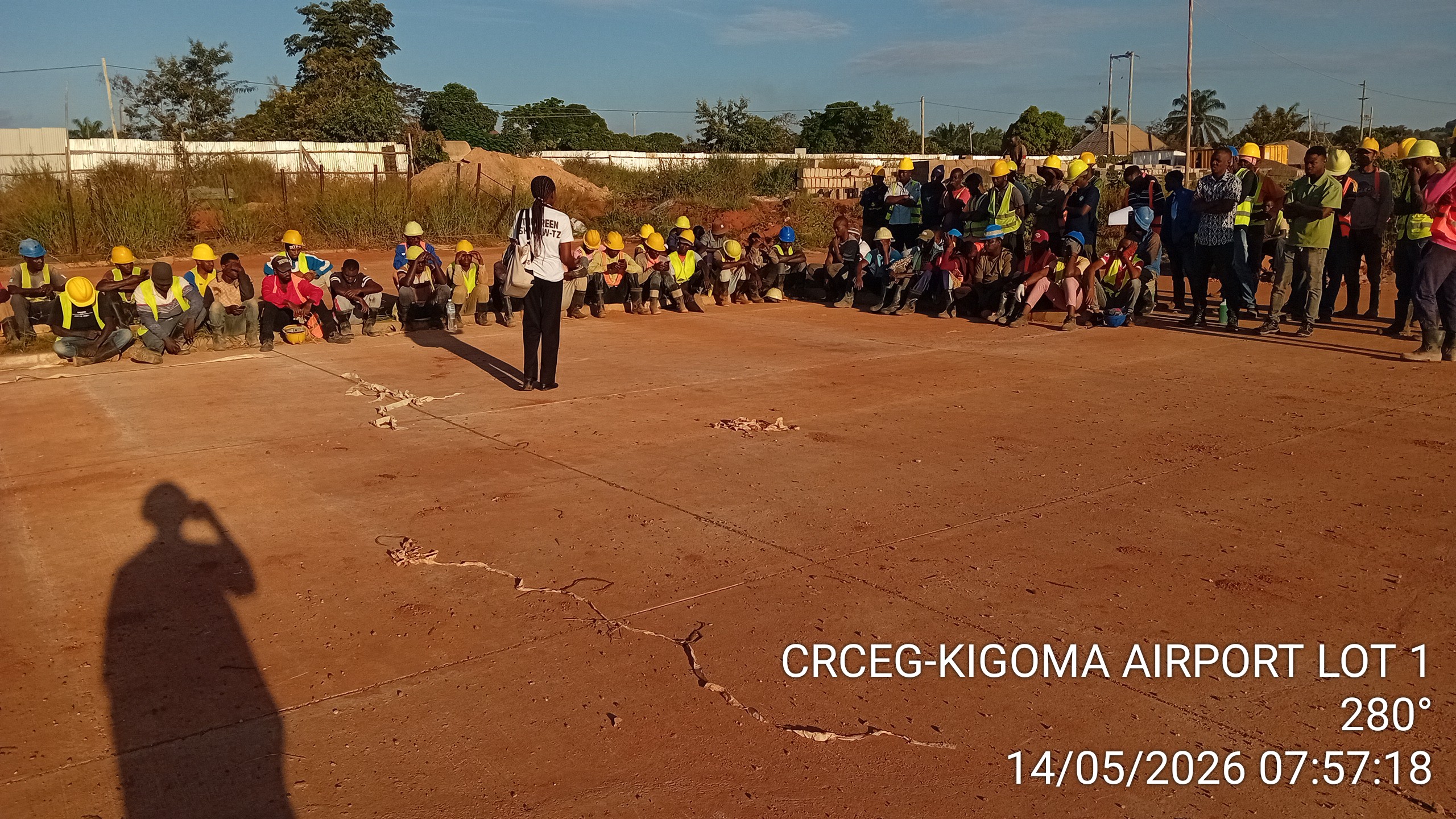
HIV/AIDS is a virus that weakens the immune system and can be transmitted through unprotected sex, infected blood, shared needles, and from mother to child. Preventing HIV involves a combination of safe behaviors, medical tools, and regular health care.
1. Safe Sexual Practices
Using condoms (male or female) correctly every time during sex is one of the most effective ways to prevent HIV. Reducing the number of sexual partners or staying in a mutually faithful relationship with an HIV-negative partner also lowers risk.
2. Regular HIV Testing
Testing helps people know their HIV status. Early detection allows individuals to take steps to protect others and begin treatment if needed.
3. Pre-Exposure Prophylaxis (PrEP)
PrEP is a daily medication taken by HIV-negative individuals who are at high risk. It can greatly reduce the chances of getting HIV when taken consistently.
4. Post-Exposure Prophylaxis (PEP)
PEP is an emergency treatment taken within 72 hours after possible exposure to HIV. It must be started quickly and taken for about 28 days.
5. Avoid Sharing Needles
People who inject drugs should never share needles or syringes. Using sterile equipment prevents HIV transmission through blood.
6. Treatment as Prevention (TasP)
People living with HIV who take antiretroviral therapy (ART) and achieve an undetectable viral load cannot pass the virus to others. This is often summarized as “Undetectable = Untransmittable (U=U)”.
7. Prevention of Mother-to-Child Transmission
Pregnant women with HIV can take treatment to prevent passing the virus to their baby during pregnancy, childbirth, or breastfeeding.
Conclusion
HIV prevention is most effective when multiple methods are combined safe sex, testing, and medical prevention tools. Education and awareness play a key role in reducing new infections and promoting healthy communities.